


 Posts
Posts


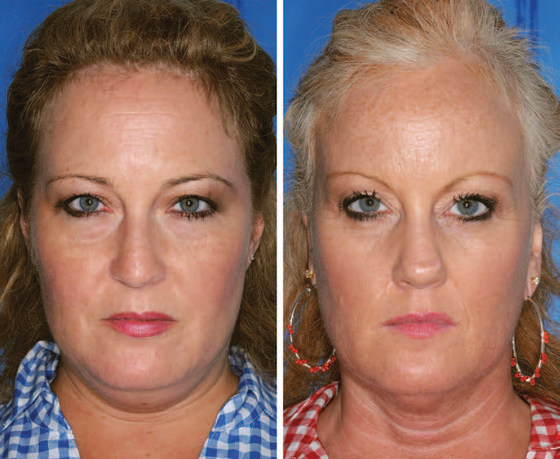
In what is perhaps the best detail of the study, researchers used the annual Twins Days Festival in Twinsburg, Ohio (the "Largest Annual Gathering of Twins in the World!") to round up the 79 identical pairs they include in the report. A panel of three plastic surgery residents compared the faces of the twins, one of which had been smoking for at least five years longer than the other.
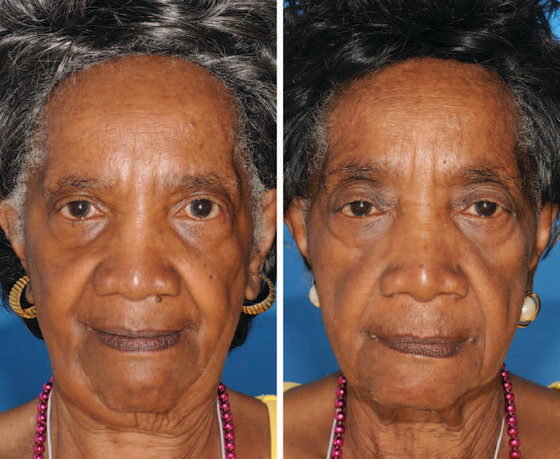
They identified a few major areas of accelerated aging in the faces of the smoking twins: The smokers' upper eyelids drooped while the lower lids sagged, and they had more wrinkles around the mouth. The smokers were also more likely to have jowls, according to the study, which was published today in the journal Plastic and Reconstructive Surgery
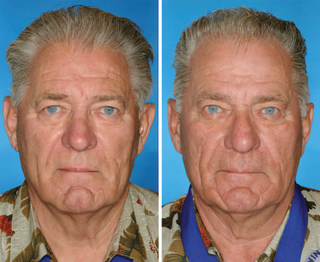
Smoking reduces oxygen to the skin, which also decreases blood circulation, and that can result in weathered, wrinkled, older-looking skin, explains Dr. Bahman Guyuron, a plastic surgeon in Cleveland, Ohio, and the lead author of the study.
The logic of research like this and others like it is this: If threats of cancer, heart and lung disease, or the dangers of second- and third-hand smoke aren’t enough to get people to stop smoking, or to never start in the first place, then why not try appealing to people’s vanity? (The same tactic has been used in an attempt to warn young people away from tanning.)
But if you’re currently a smoker, the point of this research is not to make you feel bad. Because stopping or cutting back on the habit now can make a difference -- in all aspects of your health, including the skin damage to your face. Even the twins who smoked just five fewer years than their siblings had younger-looking faces, the study shows.
“We tell people, as soon as they stop smoking, the repair to not only to their skin but their lungs, their heart vessels -- it starts to repair itself,” says Dr. Robin Ashinoff, medical director of of dermatologic surgery at Hackensack University Medical Center in New Jersey.

0 comments:
Post a Comment